 Twitter
I play REAL women's professional football with PrincessPunish, and I'm also disgusted by the LFL. Fo...more
posted Wednesday, September 8, 2010 at 6:36pm PDT on Lingerie Football League, is this for real?
 |  |

|

|

|

|

|

| ||
|
| |||
"In all my years traveling around the world, I have witnessed soccer as the one thread that many cultures and people have in common," -Doug Band.
Help bring the World Cup to the United States in 2018/2022! Please visit gousabid.com for more ways you can support the sport- and the country- that you love.





|
posted by Balanced Health and Nutrition Food, nutrition and exercise information blended with a dash of opinion. |

|

|
|
Below is an interview with Sports Dietitian Andrea Chernus, MS.,RD.,CDE., and co-author of the book Nutrient Timing for Peak Performance. For more information or to purchase the book, please visit the publisher’s website or the book’s Facebook Fan Page. The book addresses how athletes can strategically plan their meals to best utilize nutrients and improve performance, and contains a lot of great knowledge and insight into the world of sports nutrition! The following are questions that I asked Andrea regarding topics from her book or sports nutrition in general. 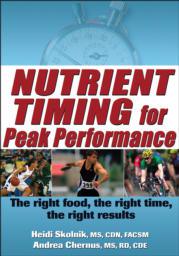
Please explain for our readers what Nutrient Timing is and how it can affect athletic performance
AC: Nutrient Timing is a strategic approach to how much, what and when to eat before, during and after training or competing. The Nutrient Timing Principles are relevant to all types of exercise and sports. In our book, Nutrient Timing For Peak Performance, we guide athletes through the steps to customize our principles to their specific needs, based on their age, gender, size, activity and intensity of training or competition. By utilizing the Nutrient Timing Principles, athletes will be able to maximize training effects, reduce risk of injury, maintain healthy immune function and recover from workouts/competitions optimally.
In your book you mentioned some setbacks from excessive protein intake. Do you think many people are under the impression that they need a lot of protein when they work out? If so, what advice do you usually give about the best sources and quality of protein?
AC: Some athletes imagine their protein needs being higher than the body can actually utilize. Too high of a protein intake may crowd out sufficient intake of carbohydrate for some athletes, compromising their energy levels and possibly leading to insufficient intake of certain vitamins, minerals, fiber and other beneficial food components. Gaining an accurate understanding of how the body uses protein can help athletes to fuel themselves appropriately for their sport. For example, excessive protein intake at the expense of adequate carbohydrate can lead to increased fluid losses and inadequate glycogen stores (energy stored in muscle tissue). This can cause fatigue and lead to injury for some athletes.
Protein quality refers to how well the building blocks that comprise protein, amino acids, are incorporated into body tissues for growth, repair and maintenance. There are different systems for assessing this however most experts agree that meat, fish, poultry, eggs, dairy and soy are utilized well by the body. Athletes’ first priority for protein intake should be consuming an adequate amount of protein to meet their specific needs from a variety of sources. Vegetarians, depending upon their dietary exclusions, may need to be more scrupulous in their protein intake, which we address in another question.
What is your opinion about the use of supplemental Branched-Chain Amino Acids (BCAAs) and athletic performance? How much can a BCAA supplement in addition to a balanced diet affect performance?

AC: We do know that muscles contain a supply of Branched-Chain Amino Acids (BCAA). During endurance exercise, muscles take up BCAA from the bloodstream, and can burn them for energy when carbohydrate stores are low. If sufficient carbohydrate is present, muscles’ reliance on BCAA as fuel is reduced, and supplementation is not necessary. One of the BCAA, leucine is known to stimulate muscle protein synthesis. In a study from 2009, led by Kevin Tipton out of the University of Texas, additional leucine did not promote muscle growth when added to a whey protein beverage consumed after resistance exercise. Athletes may not realize that the amount of BCAA found in a whey powder supplement can easily be provided by whole foods, particularly milk and yogurt. At this point in time, there does not seem to be enough evidence to promote the need for supplemental BCAA for endurance or strength athletes.
What, if any, supplements do you recommend for athletes?
AC: We are frequently asked about dietary supplements by many athletes. Supplements can range from a one-a-day vitamin to a carbohydrate beverage to a hormone mimicker. As sports nutritionists working with individual athletes, we assess each person’s intake, and determine what if any nutrients may be in short supply, and focus on food sources to provide sufficient amounts. If allergies, intolerances or other reasons preclude the athlete from consuming enough of a vitamin or mineral through food, a supplement might then be recommended.
As far as performance enhancing supplements, there are some on the market that are safe and effective but also others that may hurt health or performance. The first step, before considering any supplement, is to assess what the athlete is trying to achieve (are their expectations reasonable?), and whether they are doing everything possible through their diet, rest, and training schedule to achieve realistic results. In Nutrient Timing for Peak Performance, we provide a list of questions that athletes can ask themselves when considering taking a supplement to determine if there are first some Nutrient Timing Action Steps they have skipped that could be of more benefit to them than a supplement.
Do you think vegan or vegetarian athletes have any sort of disadvantage nutritionally for performance, and if so, is there any specific vitamin, mineral, or nutrient that they must be more attentive to consuming?
AC: Vegetarian and vegan athletes need to pay attention to their diets just as other athletes, although more closely due to their exclusion of entire food groups. Depending on the athlete’s size and sport, some may find it challenging to consume sufficient protein to meet their daily needs. To consume adequate protein, some vegans must consume a greater quantity of food than omnivores or vegetarians who include dairy (lacto-ovo vegetarians). Many foods in a vegan diet are high in fiber, so these athletes need to carefully co-ordinate their food selections so as not to cause gastrointestinal discomfort and interfere with training. Additionally, vegans need to be sure to choose foods that contain sufficient iron, zinc, calcium, phosphorous, niacin, thiamin, riboflavin and Vitamin D, which are in greater abundance in animal-based foods. These nutrients may be supplied through a vegan diet, however careful planning is important. Vitamin B-12, which is available through animal based foods is required for central nervous system functioning. If the athlete was once an omnivore, he/she may have stores of this nutrient, but should be monitored by their health care provider for adequate levels and supplementation is often necessary. One product in the Red Star nutritional yeast line contains B-12, however it is important to be sure that sufficient amounts are taken to maintain B-12 levels. Other alternatives are fortified foods or dietary supplements.
Vegetarian athletes may have an easier time obtaining more of the nutrients needed if dairy foods are included. Iron, zinc, niacin and thiamin may still be in short supply, as they are not included in most dairy foods. Calcium, phosphorous, riboflavin and Vitamin D are usually found in eggs and other dairy foods, although milk and yogurt need to be fortified in order to contain Vitamin D.
The quality and variety of foods included in diets of vegan and vegetarian athletes is equally important. Athletes need to include nutritious foods in sufficient quantity, not merely avoid meat/animal-based foods. During my years as a college dietitian, I recall seeing vegetarian student athletes, who ate little more than bagels. “The vegetables seem to be missing in your vegetarian diet” I recall saying on more than one occasion!
How did you come up with the Nutrition Blueprint? Please explain what it is for our readers and how it can be beneficial for all athletes (whether professional or not).
AC: Our Nutritional Blueprint helps athletes organize their eating throughout the day, paying particular attention to fueling their exercise adequately. First, athletes determine their daily calorie, carbohydrate, protein and fat needs based on their size, gender, age and training needs. Next, we help readers establish their nutrient needs before, during and after workouts. The remainder of their carbohydrate, protein and fat is evenly distributed through the day. These numbers are plugged into the Nutritional Blueprint table, which is then used as a template to select foods that match nutrient needs.
In our work with athletes, performers and everyday people, we’ve mapped out similar plans. Eventually, we developed the concept into the Nutritional Blueprint. We wanted a clear way for athletes to see how to organize their training fuel, and remaining food throughout the day. By applying the Nutrient Timing Principles to the Nutritional Blueprint, athletes can plan on the right amount of fuel before and during training and the right mix of nutrients for recovery afterward.
What can you tell me about “carb-loading” and some myths that people have about consuming enough carbs the day before a big event? Is it true that the amount of glycogen your muscles can store is dependent on genetics and how well trained you are? Do you think that many people misunderstand this and end up eating too many carbs before an event?
AC: Athletes need to know that adequate fueling throughout training is vital in their preparation for their event. Their day-to-day training prepares them more for competition than the meal eaten just prior to the event. Additionally, athletes’ muscles adapt to storing increased amounts of glycogen over time. As an athlete increases training and fuels him/herself properly, muscles will manufacture additional glycogen storing enzymes, enabling them to increase storage to a point.
We have learned that there are many ways to prepare oneself before a big race. While eating large amounts of carb at once may cause some athletes to become uncomfortable and bloated, many now use the taper method, which helps to increase glycogen storage without over-stuffing oneself. This entails cutting back on training, a few days to a week before the event, while consuming a moderately high carbohydrate intake. By reducing exercise and calorie expenditure while keeping food intake similar to one’s training diet, muscles store carbohydrate (glycogen) in preparation for the upcoming race in a similar way as “carb-loading”.
The day before the race, some athletes prefer to eat their larger, pre-event meal at breakfast or lunch, and have a lighter dinner, instead of the typical large pasta dinner that is associated with “carb-loading”. Others prefer a nice size helping of carbohydrate the night before. We recommend including some protein and well tolerated fruits and/or vegetables to provide sufficient energy and nutrients. The day of the event, a comfortable amount of quickly digested carbohydrate foods are recommended for meals and snacks. Depending upon competition time, and when meals and snacks will be taken, small amounts of lean protein and fat may be added as well. A plan should always be in place for event-day fueling. All race day foods should have been consumed, and tested out during training. Athletes shouldn’t try anything new the day before or day of an event.
View Original Post at rebeccascritchfield.wordpress.com
|
|
|
|
MOST POPULAR POSTS
posted by AnnGaff 09/05/10 at 4:13pm
posted by WTA Women's Tennis 10/26/09 at 6:57pm
posted by WTA Women's Tennis 11/10/09 at 4:52pm
posted by Women Undefined 07/31/10 at 7:26pm
posted by MarQFPR 09/08/10 at 12:31pm
posted by WTA Women's Tennis 10/29/09 at 7:27pm
posted by Pretty Tough 02/17/09 at 10:57am
posted by Pretty Strong 09/06/10 at 4:53pm
posted by WTA Women's Tennis 10/07/09 at 12:14pm
posted by WTA Women's Tennis 11/05/09 at 6:12pm
LATEST WTS POSTS
posted by Dyla Magazine - Women's Action Sports Coalition
Today at 3:56pm
posted by A Glam Slam
Today at 2:33pm
posted by Swish Appeal
Today at 2:28pm
posted by All White Kit
Today at 2:20pm
posted by Run Girl Run
Today at 1:02pm
posted by Swish Appeal
Today at 12:55pm
posted by Dyla Magazine - Women's Action Sports Coalition
Today at 12:29pm
posted by Bike Diva
Today at 11:32am
posted by Pat Griffin's LGBT Sport Blog
Today at 11:23am
posted by Jayda Evans: Womens Hoops Blog
Today at 11:04am
RECENT COMMENTS
I play REAL women's professional football with PrincessPunish, and I'm also disgusted by the LFL. Fo...more
posted Wednesday, September 8, 2010 at 6:36pm PDT on Lingerie Football League, is this for real?
Maybe this will shed some light on how you view what's really going on with this "league". Women's ...more
posted Wednesday, September 8, 2010 at 4:13pm PDT on Lingerie Football League, is this for real?
As a TRUE professional women's full contact tackle football player I am saddened and disgusted with ...more
posted Wednesday, September 8, 2010 at 3:47pm PDT on Lingerie Football League, is this for real?
I know this might get some bad press but I love it. Serena is a woman that is so successful and has ...more
posted Wednesday, September 8, 2010 at 8:47am PDT on Serena Williams poses naked for ESPN Magazine �Body Issue� Cover
I hate trying to find clothes that fit my legs! When you're an athlete, you're body is different. ...more
posted Tuesday, September 7, 2010 at 9:28pm PDT on The Plus Size Athlete



No one has commented on this yet. Be the first!