
Great article but really not true; there are many players involved in the NPF that are not from the ...more
posted 08/26/14 at 1:28pm
on Softball Standouts Plourde and Prezioso Represent Atlantic 10, Exemplify Mid-Major Potential at Next Level




posted by Balanced Health and Nutrition
Wednesday, March 26, 2014 at 9:16pm EDT
Food, nutrition and exercise information blended with a dash of opinion.
Support women's sports and SHARE this story with your friends!
All this month I’m making it fun to eat better with my 30-Day Challenge “Half Plate Produce” in the spirit of National Nutrition Month’s theme “Enjoy the taste of eating right!”
Tweet, Post, Instagram or Pin your favorite pics and recipes that help make it fun for YOU to eat better. (Use #30DayChallenge and #NNM in your messages.)
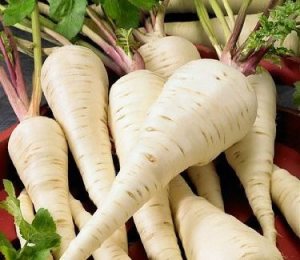
Image Source: edenbrothers.com
From late fall to early spring, parsnips are at their peak. You can snatch them up in many grocery stores and farmers markets. These root vegetables are related to carrots, celery root, parsley, and fennel. They look a lot like a white carrot, and they have a sweeter flavor than carrots.
In the middle ages, parsnips were thought to be aphrodisiacs and to cure sore feet and toothaches. I’m not making any guarantees that parsnips are going to make you any better in bed, but they are good for your heart, gums/teeth, and muscles.
Here’s how:
Folate
Folate is a water soluble B Vitamin that is naturally found in fruits, vegetables (especially dark green leafy ones), liver, and beans. Grain-based products, like breads and cereals, are required to be fortified with 25% of recommended daily folate.
Folate is important in energy metabolism and DNA synthesis. Deficiencies in folate can lead to birth defects, so this nutrient is especially important for women of child-bearing age.
Antioxidants
Parsnips are rich in falcarinol, which is a type of phytonutrient with antioxidant properties . Falcarinol is linked to decreased incidence of cancer cell formation and decreased inflammation. Chronic inflammation is associated with many conditions, including cardiovascular disease, cancer, rheumatoid arthritis, and Alzheimer’s.
Potassium
Potassium is an electrolyte that helps balance water and minerals in the body, maintain normal blood pressure, contract and build muscle, transmit nerve signals, and regulate the body’s pH. Most American’s do not get enough potassium in their diets, so it’s important to try to include potassium-rich foods, like parsnips, often. A diet high in potassium is associated with reduce risk of death from cardiovascular disease.
Parsnips are also rich in soluble fiber and vitamin C.
How parsnips can help make half plate produce:
Roast Them
I love roasted parsnips – the high heat from the oven caramelizes the sugar in the parsnips to bring out their naturally sweet, nutty flavor. Plus, roasting is quick and easy and it requires no fancy kitchen skills, so anyone can do it.
You can roast parsnips by themselves or add other root veggies, like carrots, turnips, and rutabaga. I like to slice mine into matchsticks, toss them with olive oil, salt, and pepper, and roast them in a 425 °oven until they’re just starting to brown (20 -25 minutes). After I take them out of the oven I drizzle them with pomegranate molasses (about 1 Tablespoon) – the sweet/tart taste brings the parsnips to a new level. Serve the roasted vegetables as a side with your favorite protein. Leftovers make great additions to any salad!
Add them to soup
You can use parsnips pretty much anywhere you’d use carrots. Making chicken noodle soup? Try dicing parsnips up instead of/ in addition to carrots.
Parsnips puree nicely, so they’re wonderful in creamy soups as well. This recipe from Martha Stewart uses just a touch of cream and tops the soup with crunchy toasted almonds. A small bowl would be an elegant first course, or serve as the entrée with whole wheat bread, green salad, and fresh fruit – that’s way more than half a plate (or bowl) of produce!
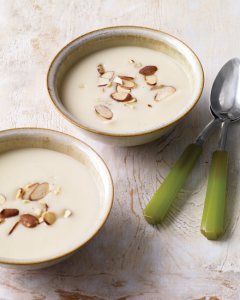
Image Source: marthastewart.com
Mash them Like Potatoes
Mashed potatoes are one of the ultimate comfort foods – they’re decadently rich, creamy, and buttery. One of the reasons mashed potatoes need so much butter and cream is that they don’t have much flavor on their own. Parsnips, however, have loads of flavor and make a great mashed side dish that doesn’t require so much fat. This recipe modifies a Julia Child method for making delicious mashed . If uses only a touch of butter (definitely less than what Julia used!) and the cooking liquid from the veggies to add loads of flavor.
Your Turn to Share
I’ve shared my tips and now I want to hear yours! What are some of your fave ways to add parsnips into your diet? Did I miss any of your favorite tricks? Tweet, Post, Instagram or Pin your favorite pics and recipes that help make it fun for YOU to eat better. (Use #30DayChallenge and #NNM in your messages.)
(Disclosure: I did not receive compensation for this blog post.)


Support women's sports and SHARE this story with your friends!
MORE ABOUT THIS AUTHOR:
Food, nutrition and exercise information blended with a dash of opinion....
full profile
For more, visit rebecca's Full Profile
LATEST ARTICLES & POSTS
Thu at 1:53pm
Thu at 1:52pm
Thu at 1:48pm
Thu at 1:47pm
Wed at 12:52pm
Wed at 12:50pm
Wed at 12:17pm
Wed at 12:16pm
RECENT COMMENTS
Great article but really not true; there are many players involved in the NPF that are not from the ...more
posted 08/26/14 at 1:28pm
on Softball Standouts Plourde and Prezioso Represent Atlantic 10, Exemplify Mid-Major Potential at Next Level

What she did I'd fantastic but she was still a good 14 seconds behind the winner and, really, the Ke...more
posted 07/22/14 at 4:04am
on 2 seconds, no finish clock picture, but satisfaction: Molly Huddle breaks her own AR

Does money make champions ! History have taught us that money does not means success overnight . Mos...more
posted 06/20/14 at 8:25pm
on Sparks need a change, but what kind?
congrats to Maria on her French Open win!!...more
posted 06/11/14 at 10:06pm
on Maria Sharapova Named The Face Of Avon Luck Fragrances
| SAUCUONY 500 MILE CHALLANGE |
| Daily Workout |

No one has commented on this yet. Be the first!