
She is one of the best player in basket ball and is really good.
http://www.coomberlaw.com/bu...more
posted 04/30/13 at 3:56am
on The Chicago Sky Selects Elena Delle Donne Second Overall in 2013 WNBA Draft





posted by kaylamcculley, a Women Talk Sports blogger
today, October 1, 2012 at 4:48pm EDT
About kaylamcculley:
Kayla McCulley is a second year graduate student in the MBA/MS Sport Management dual degree program at the University of Massachusetts Amherst. A former lacrosse student-athlete at Pomona College, Kay...more
Support women's sports and SHARE this story with your friends!
 Visit Women Talk Sports each Monday to read the weekly Pro Day column featuring interviews with women at the top of their game. The series will feature career insights and advice from women who are paving the way for a rising generation of sports business leaders.
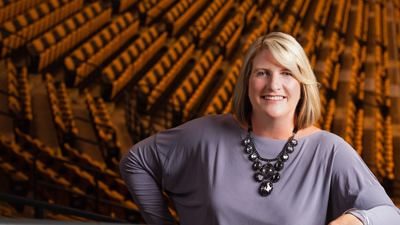
This week, WTS sits down with Amy Latimer, President, TD Garden. Latimer oversees one of sports' most iconic venues, home to the Boston Celtics and Boston Bruins.
What was a formative leadership experience for you?
Sometimes managers are put in places where the people they’re managing know more about the position. If you find yourself in a role like that, I think asking good questions and learning from those people is a good start. I was put into a management position because of some other skill sets, but I didn’t know the business I was in. You have to earn their trust and respect because otherwise they’ll write you off early. Being honest about what you don’t know and asking the right questions [is critical].
What steps do you take to foster a strong organizational culture?
I hire people that are good team members. I’d rather hire somebody smart than somebody that has a ton of experience. They have to be a good cultural fit. That doesn’t mean you can’t hire for difference. I’d rather allow a new team member to learn and expand then hire someone who has all the experience but who doesn’t fit culturally.
Was there a significant mentoring relationship early in your career?
There certainly was, but unfortunately it wasn’t a female just because there weren’t that many in the sports world back then. My first boss in particular let me make mistakes and learn my way though it. I was extremely loyal and worked so hard; that was what he appreciated. He spent time talking to me about where I wanted to go and how I wanted to position myself for getting there. One my favorite questions is asking what is the next tool I needed in my toolbox to move on?
Do you think that your experience as a basketball student-athlete at the University of Rhode Island helped you succeed in sport business?
No question. I want my kids to play sports because they learn that teamwork aspect. They learn to know their role and to understand everybody else’s role. You’re going to have a boss someday, so you might as well start taking direction from a coach now. I make my kids thank their coaches every day after practice to learn respect. For the rest of their lives, how they handle themselves in those situations is invaluable. If somebody makes a mistake on their team, how do they handle it? I can’t imagine not having people go through that sports experience and be successful.
What major changes do you foresee in women’s sports leadership over the next five to ten years?
I think there are a few areas where women will grow, such as marketing and community relations, sales and management. I hope there are going to be more women in analytics because that is such a key role for the sports industry moving forward. I think there are women out there with that aptitude. I don’t think there is a ceiling in sports at all.
Support women's sports and SHARE this story with your friends!
This article was written by a WomenTalkSports.com contributor. Sign up here to start publishing your own women's sports content.
Today on the Women's Sports Calendar:
| NCAA DI Tennis Championships May 16 - 27: Khan Outdoor Tennis Complex |
MOST POPULAR ARTICLES & POSTS
LATEST ARTICLES & POSTS
Sun at 8:17pm
Sun at 8:16pm
Sun at 8:12pm
Sun at 8:02pm
Sun at 7:58pm
Sat at 8:55pm


Kayla McCulley is a second year graduate student in the MBA/MS Sport Management dual degree program at the University of Massachusetts Amherst. A form...
full profile
For more, visit kaylamcculley's Full Profile

RECENT COMMENTS
She is one of the best player in basket ball and is really good.
http://www.coomberlaw.com/bu...more
posted 04/30/13 at 3:56am
on The Chicago Sky Selects Elena Delle Donne Second Overall in 2013 WNBA Draft

The worst kept secret in all of professional sports is that the majority of WNBA ballers are lesbian...more
posted 04/24/13 at 11:41am
on Brittney Griner's way of coming out is progress in the sports world
In terms of sport figures, I'm sure a Pat Summitt statue is in the works.
...more
posted 04/15/13 at 10:11pm
on Statues of Female Leaders?

I'm not a big Stanford fan, but at least they have a legitimate program and did it largely without t...more
posted 04/10/13 at 5:50pm
on Why Cal is my new favorite team

Ooh, is that bitterness I smell wafting up from Palo Alto? It almost seems like you are bashing Cal...more
posted 04/10/13 at 4:20pm
on Why Cal is my new favorite team

Women Talk Sports Podcast - March 5, 2013
In the March edition of the "Women Talk Sports" podcast, Cara and Stephanie use their running background to explain the Dayton 500 and break down the ...[Listen/Download for iTunes]
Women Talk Running Podcast - March 5, 2013
In the March edition of the "Women Talk Running" podcast, Cara and Stephanie wrap up the Millrose Games, give you more Mary Cain news, give our respon...[Listen/Download for iTunes]
Women Talk Sports Podcast - January 28, 2013
In the January 2013 episode of the Women Talk Sports podcast, Cara and Stephanie share several points that will leave you feeling hopeful about the Na...[Listen/Download for iTunes]
No one has commented on this yet. Be the first!